Restoration
RESTORATION IN TEMPE, AZ
Preservation guidance from the National Park Service recommends raking out deteriorated mortar to a depth of 2 to 2 1/2 times the joint width before repointing, so new mortar has enough depth to bond and last. Durango Masonry & Tile follows that approach on masonry restoration projects in Tempe, AZ, because shallow patching tends to pop out within a few seasons. This page covers the repointing, crack repair, stain removal, spalled brick replacement, wall rebuilds, and cleaning we provide for homes and commercial buildings throughout Tempe, Scottsdale, Mesa, and Phoenix. We diagnose the cause of damage first, then repair with compatible materials that blend into the original work.
RESTORATION MEANS FIXING THE CAUSE, NOT JUST THE CRACK.
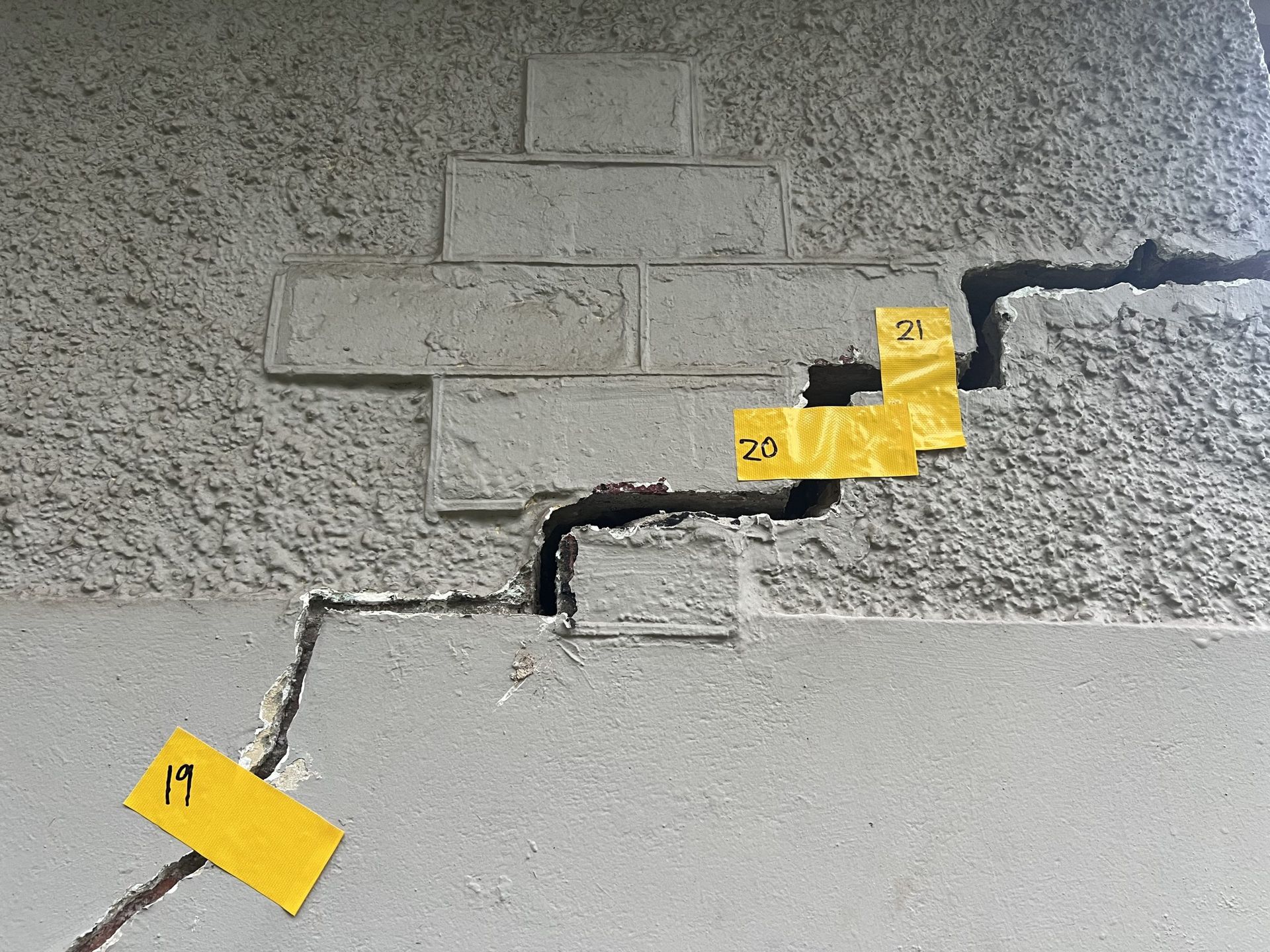
Masonry rarely fails without a reason. Sprinkler spray, poor drainage, settling footings, and incompatible repairs all leave clues in the wall. Before we touch a trowel, we trace those clues so the restoration addresses what caused the damage. Otherwise, fresh mortar and new brick simply become the next layer of failure waiting to happen.
Once the cause is clear, the goal becomes blending new work into old. Mortar color, joint profile, and texture all get matched carefully so repairs disappear into the wall.
✓ Damage causes traced first
✓ Compatible mortar selected
✓ Joint profiles matched
✓ Repairs blended into old work
RESTORATION
GIVE AGING TEMPE MASONRY A SECOND LIFE.
Many Tempe homes and commercial buildings have brick, block, and stone that have weathered a long run of desert summers. Sun, irrigation, and settling soil gradually loosen joints, crack units, and stain surfaces. Restoration brings that masonry back to sound condition without the cost and disruption of tearing it down. We repair walls, planters, columns, and building facades so they look cared for again and continue doing their job for years ahead.
RESTORATION MATCHED TO VALLEY WEAR PATTERNS.
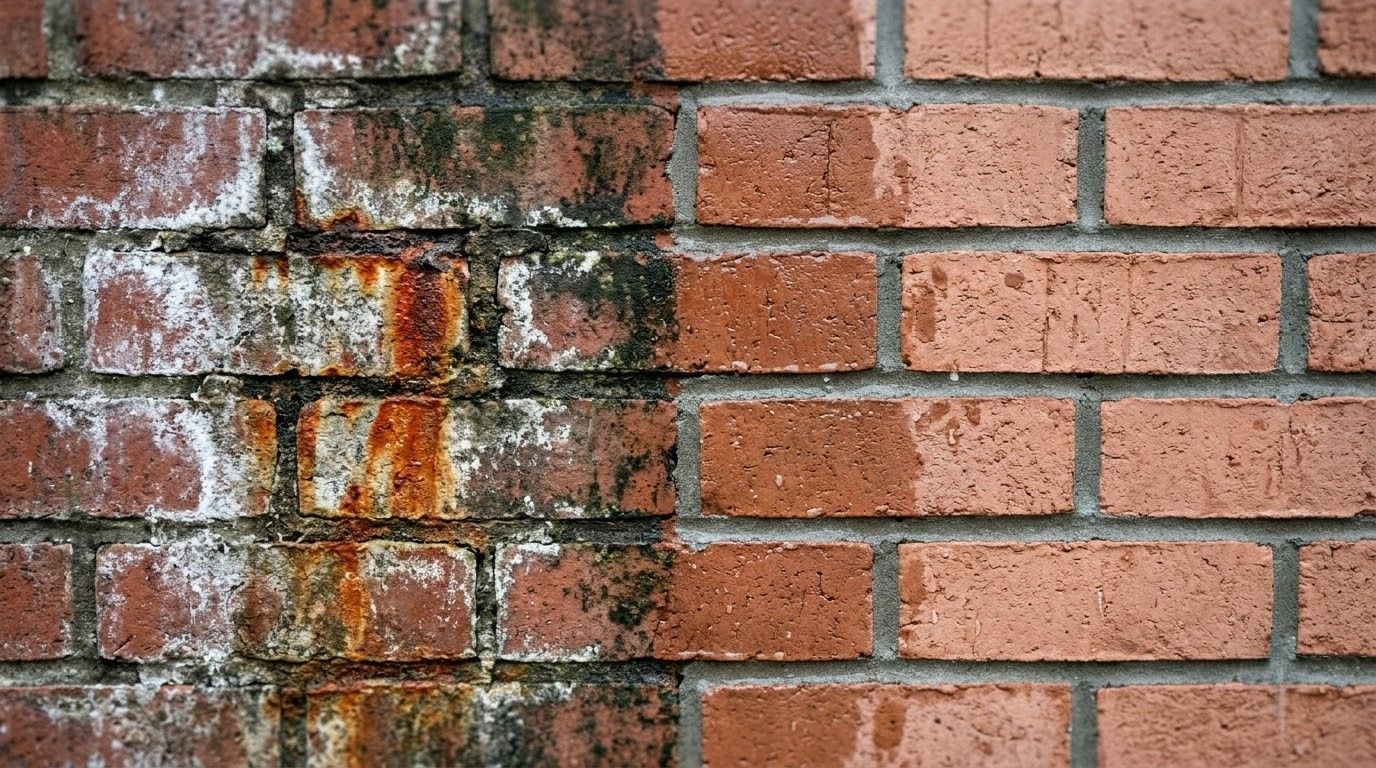
Masonry in the East Valley tends to wear in predictable ways. Irrigation lines soak the base of walls, leaving white mineral deposits and eroded mortar. Intense sun bleaches color from exposed faces. Expansive soil movement causes stair-step cracking in long block runs. We look for these patterns during inspection, which helps us recommend repairs that fit the actual problem rather than applying the same fix everywhere.
MORTAR TELLS US WHAT WENT WRONG BEFORE WE ASK.
With 20 years of restoration behind us, we can often read a failing wall the way a mechanic reads worn tires. Crumbling joints near the ground suggest water. Cracks that widen toward the top suggest settlement. Mortar harder than the brick explains spalled faces. Reading those signs correctly keeps repairs targeted and budgets reasonable. Is there a wall, column, or facade on your property that needs a closer look?
WHY CHOOSE US FOR RESTORATION.
Extended Structure Life
Timely restoration stops small problems from spreading, adding many years of useful life to walls and facades that might otherwise need complete and costly replacement.
Restored Appearance
Clean faces, crisp joints, and replaced units make tired masonry look sharp again, improving how your home or business presents to neighbors, guests, and customers.
Lower Long-Term Costs
Repairing damaged sections is usually far less expensive than rebuilding an entire wall. Addressing issues early prevents water intrusion and structural damage that multiply repair bills later.
Improved Safety
Loose bricks, leaning panels, and crumbling caps can fall without much warning. Restoration secures these hazards, protecting children, pets, visitors, and vehicles near the affected masonry.
Preserved Character
Keeping original masonry intact maintains the architectural personality that made your property so appealing to you in the first place, something new construction rarely recreates convincingly.
Better Weather Protection
Sound joints and repaired surfaces shed water instead of absorbing it, reducing moisture damage, staining, and interior leaks during heavy monsoon rains and irrigation cycles.
our services
OUR RESTORATION WORK.
Our restoration services range from targeted joint repairs to full section rebuilds. Every project begins with an inspection that identifies what failed, why it failed, and how to correct it properly.

JOINT RENEWAL
Tuckpointing & Repointing
Deteriorated mortar is carefully removed to a proper depth and replaced with compatible mortar matched in color and profile. Repointing restores weather resistance and gives walls a crisp, refreshed appearance.

CRACK CORRECTION
Brick & Block Crack Repair
Cracks are first evaluated for movement, then repaired using techniques suited to the cause. Units may be replaced, joints rebuilt, or reinforcement added so the repair holds instead of reopening.

SURFACE CLEANING
Efflorescence & Stain Removal
White mineral deposits, rust, algae, and dirt are removed with methods gentle enough for the masonry. We also address moisture sources so stains are less likely to reappear after cleaning.

UNIT REPLACEMENT
Spalled Brick Replacement
Brick with flaking or broken faces is carefully cut out and replaced with matched units. Surrounding mortar is checked and repointed, keeping the repaired area structurally sound and visually consistent.

SECTION REBUILDS
Leaning Wall Rebuilds
When a wall section leans or fails, we dismantle it carefully, correct footing or drainage problems, and rebuild using salvaged or matched materials so the finished section aligns with the rest.
PROTECTIVE CARE
Masonry Cleaning & Sealing
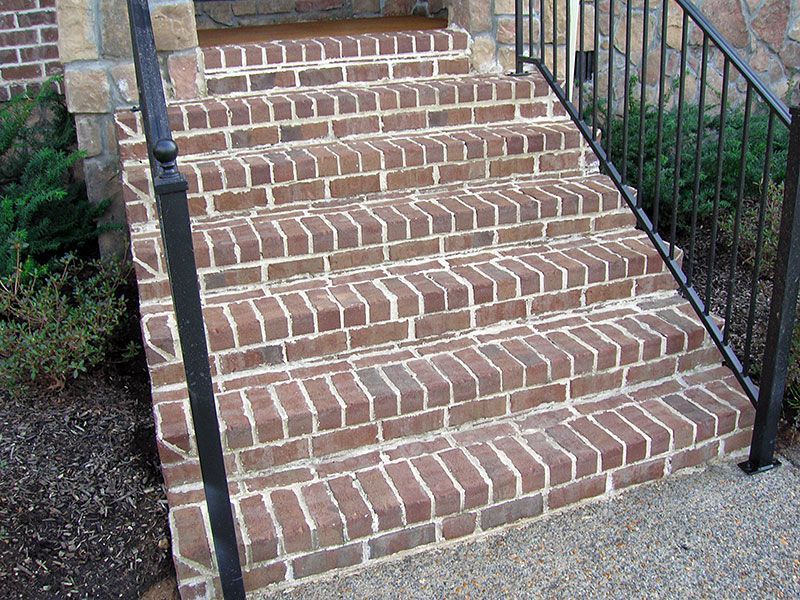
Restored masonry can be cleaned and then treated with breathable water repellents wherever appropriate. These products reduce water absorption while still quietly allowing trapped moisture to escape from the wall.
THE WORD ON OUR WORK
WHAT OUR CLIENTS SAY.
Restoration clients tend to say the repairs are hard to spot once the job is finished, which is exactly the goal. They also value that we explained what caused the damage and what habits, like adjusting sprinklers, would help protect the wall.
FAQs
FREQUENTLY ASKED QUESTIONS.
Restoration projects often start with uncertainty about damage and repair options. These answers help property owners understand what restoration involves and when it makes sense for their masonry.
What is the difference between tuckpointing and repointing?
Repointing replaces deteriorated mortar with new mortar to restore strength and weather resistance. Tuckpointing is a specific finishing technique that uses two mortar colors to create the look of fine joints. The terms are often used interchangeably in everyday conversation.
How do I know if my brick wall needs repointing?
Signs include mortar that crumbles when scratched, joints recessed deeper than about 1/4 inch, gaps around bricks, and moisture stains on interior walls. If a key or coin easily scrapes out mortar, the joints are likely due for professional repointing.
Why is my brick flaking or crumbling?
Flaking brick, called spalling, usually results from excess moisture trapped in the unit, repeated wetting from sprinklers, or mortar that is harder than the brick. Durango Masonry & Tile identifies the cause on Tempe, AZ, walls before replacing any damaged units.
Can a leaning block wall be saved?
Sometimes, yes. Minor leans may be stabilized if the footing is sound, but significant leaning usually means the affected section must be taken down and rebuilt on a corrected footing. A careful inspection determines which option is safe and practical.
Is pressure washing safe for brick and stone?
High-pressure washing can erode mortar joints and damage softer brick and stone. Low-pressure rinsing with appropriate masonry cleaners is usually much safer. Testing on a small, hidden section first always helps confirm that a cleaning method will not cause damage.
Should restored masonry be sealed?
Many masonry surfaces do not need sealing, and the wrong sealer can trap moisture. When water absorption is a problem, a breathable silane or siloxane repellent is typically preferred because it sheds water while allowing vapor to escape the wall.
How long does repointed mortar last?
Well-executed repointing with compatible mortar commonly lasts 25 years or more. Longevity depends on exposure, drainage, sprinkler habits, and the quality of joint preparation. Shallow, rushed repairs can fail within just a few seasons, which is why proper depth matters.
What should a restoration contractor check before starting repairs?
A thorough contractor always checks drainage, footings, mortar hardness, and moisture sources before quoting. Durango Masonry & Tile performs that evaluation on restoration projects across Tempe, AZ, so the repair plan targets the real causes instead of chasing surface symptoms alone.
HOW WE WORK
FROM DAMAGE REPORT TO RENEWED WALL, HERE IS HOW.
STEP 01
We Inspect the Damage
We examine the affected masonry closely and patiently, checking joints, units, footings, drainage, and nearby irrigation. Photos and notes document conditions so you can see exactly what we found and why it matters.
STEP 02
We Explain Your Options
You receive a clear, plain explanation of the cause and a recommended repair plan. Where more than one approach makes sense, we outline the differences in cost, appearance, and expected lifespan for each.
STEP 03
We Protect the Area
Plants, pavement, windows, and nearby surfaces are covered before work begins. Dust control measures and debris containment keep the repair zone contained so daily routines around your home or business can continue without much interruption.
STEP 04
We Remove Failed Material
Deteriorated mortar is raked to the proper depth, and damaged units are cut out carefully to avoid disturbing sound masonry nearby. Leaning sections are dismantled, and any salvageable materials are set aside for reuse.
STEP 05
We Rebuild and Repoint
Matched mortar and replacement units go in next, and joints are tooled to the original profile. Footing or drainage corrections are completed beforehand wherever those problems contributed to the original damage in the first place.
STEP 06
We Clean and Confirm
Finished areas are cleaned gently, all debris is removed, and the restored masonry is reviewed with you. We share practical tips, like sprinkler adjustments, that help protect the repair for years going forward.