Historical Restoration
HISTORICAL RESTORATION IN TEMPE, AZ
National Park Service preservation guidance says replacement mortar should be softer and more vapor permeable than the historic brick around it, because hard modern mortar forces moisture and stress into the older units and causes them to crack and spall. Durango Masonry & Tile follows that principle on every historical restoration project in Tempe, AZ. Here, we describe the lime mortar repointing, historic brick matching, gentle cleaning, chimney restoration, period-correct rebuilds, and architectural detail repair we provide for older homes and buildings across Tempe, Phoenix, and Mesa. We analyze existing materials, preserve original fabric wherever possible, and document our work for owners and review boards.
HISTORIC MASONRY DESERVES A LIGHTER HAND.
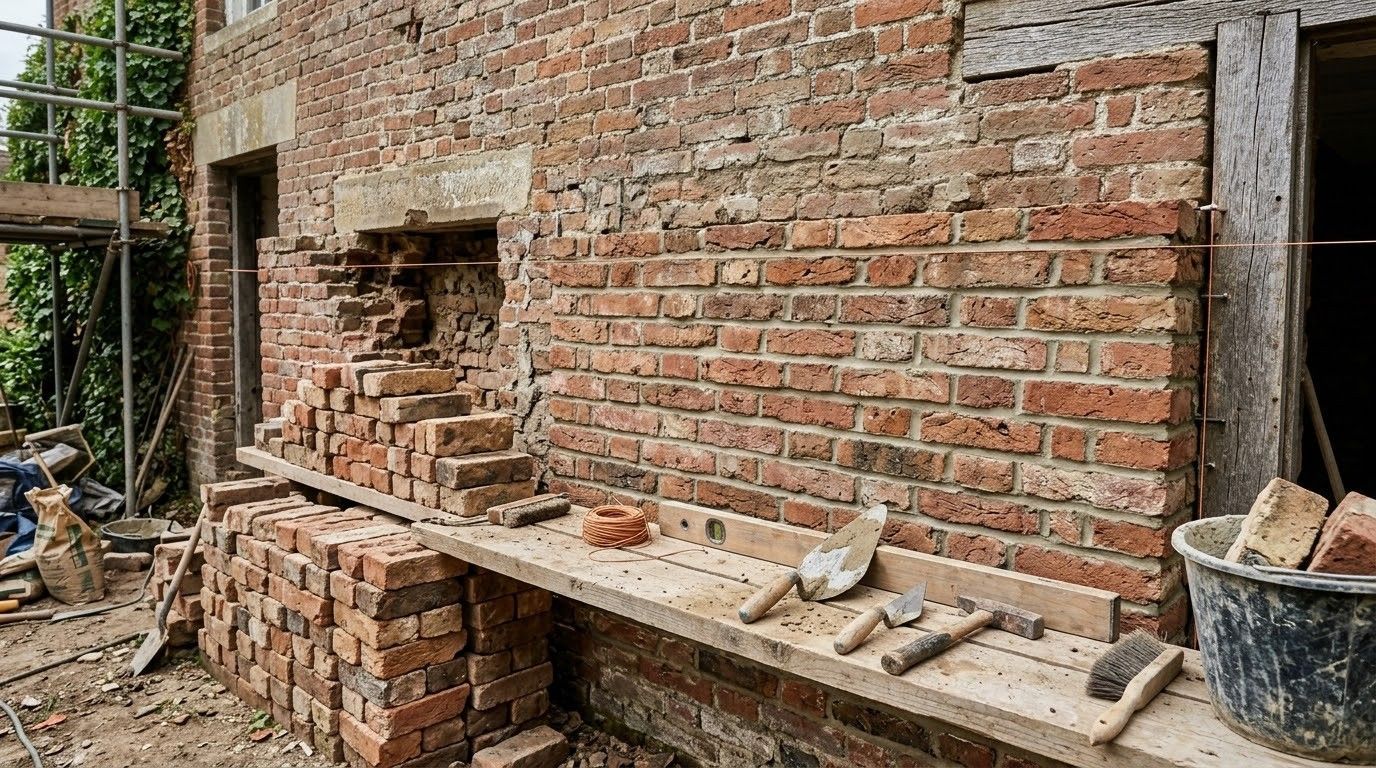
Older brick and mortar were made differently than modern materials, and they behave differently too. Treating them like new construction, with portland cement mortar, sandblasting, or aggressive sealers, often does more harm than the years themselves. We approach historic walls with restraint, repairing only what needs repair and choosing materials that work with the original masonry.
The aim is continuity from one era to the next. A successful restoration keeps the building's long story visible, with repairs that respect original joint profiles, textures, colors, and craftsmanship from its era.
✓ Softer, breathable mortars
✓ Original fabric preserved
✓ Gentle cleaning methods only
✓ Period joint profiles matched
HISTORICAL RESTORATION
PROTECTING THE CHARACTER OF TEMPE'S OLDER NEIGHBORHOODS.
Tempe's history shows in its early brick homes, commercial blocks, and neighborhoods like Maple-Ash, where older masonry gives streets their personality. We help owners of these properties repair deteriorated walls, chimneys, and details without erasing what makes them special. Every historical restoration begins with careful observation of materials and methods, so the finished repairs look like they belong to the building rather than to a modern construction site down the street.
HISTORIC WORK THAT FITS LOCAL REVIEW EXPECTATIONS.
Exterior changes to properties on the Tempe Historic Property Register go through design review with the city's Historic Preservation Office. We support owners through that process by documenting existing conditions, describing proposed materials, and following preservation standards in our methods. Clear photos, mortar samples, and repair descriptions help reviewers understand the plan, which keeps projects moving and ensures the finished work respects the property's historic significance.
OLD WALLS REWARD PATIENCE MORE THAN SPEED.
Our 20 years in masonry have included plenty of older structures, and each one reinforced the same lesson: historic work cannot be rushed. Mixing lime mortar, raking joints by hand, and matching salvaged brick take time, but shortcuts show quickly on a century-old facade. We plan these projects with realistic schedules and careful crews. Do you own an older home or building with masonry that needs thoughtful attention?
WHY CHOOSE US FOR HISTORICAL RESTORATION.
Authentic Appearance
Carefully matched mortar, brick, and joint profiles keep your historic property looking true to its era, preserving the details that give older buildings their distinctive charm.
Protected Original Materials
Compatible repair methods protect irreplaceable historic brick and stone from further damage, keeping as much original fabric in place as possible for the generations still to come.
Long-Term Stability
Breathable mortars and proper repairs let historic walls manage moisture the way their original builders designed them to, reducing cracking, spalling, and deterioration over time.
Smoother Design Reviews
Clear documentation and preservation-minded methods make it easier for owners of designated properties to present clear repair plans that meet the city's historic review expectations.
Preserved Property Value
Well-maintained historic character is a major draw for buyers who actively seek older homes, helping protect the value and appeal of properties in established neighborhoods.
Community Heritage
Restoring older masonry helps keep local history visible right on the street, contributing to neighborhood identity and the shared story of how the community developed.
our services
OUR HISTORICAL RESTORATION WORK.
Our historical restoration services focus on repairing older masonry with compatible materials and careful techniques. Each project balances structural needs with preservation goals so the building remains both sound and authentic.
LIME MORTAR
Lime Mortar Repointing
Historic joints are cleared by hand and repointed with lime-based mortar matched in strength, color, and texture. This approach protects soft older brick while restoring weather resistance to the wall.
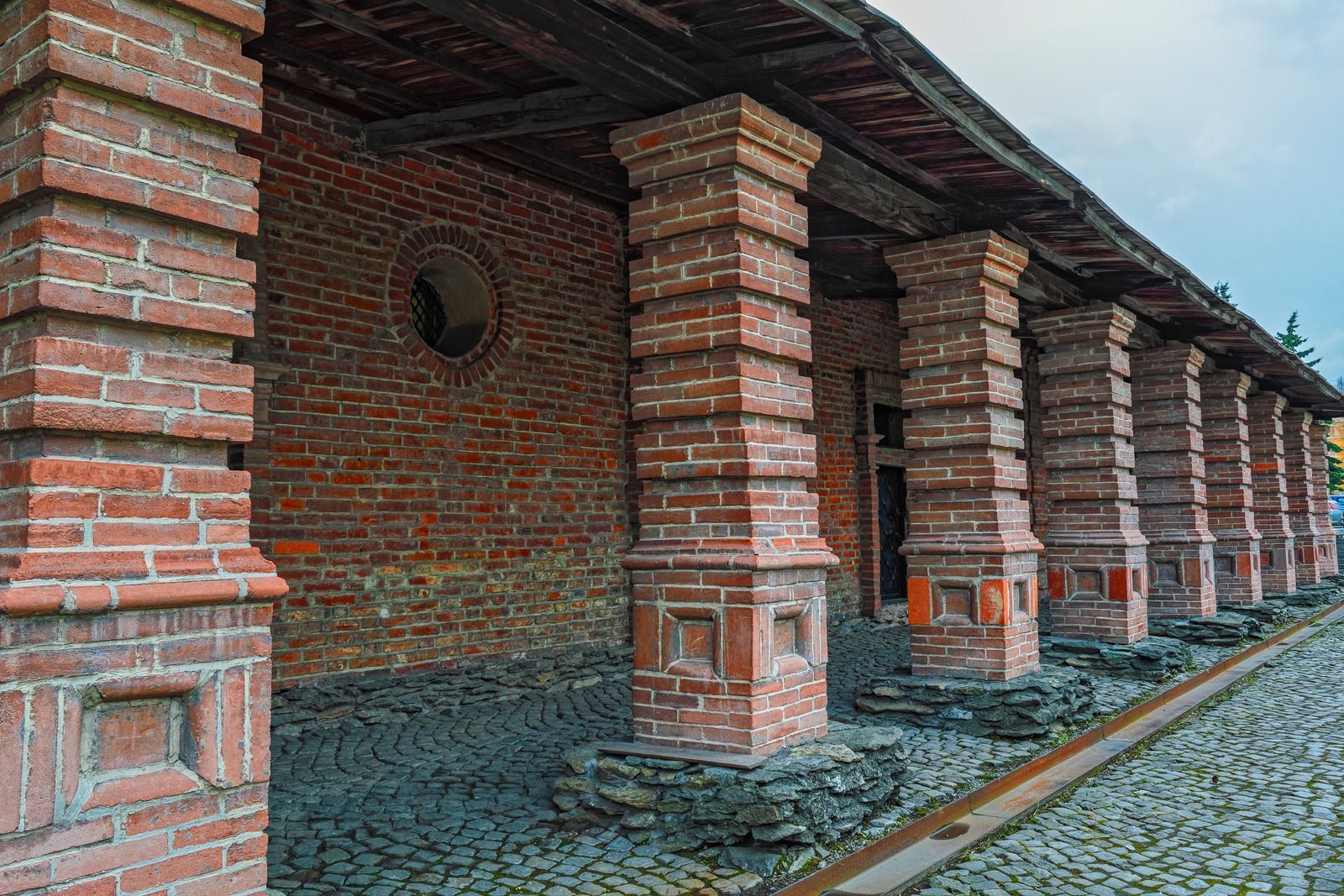
UNIT MATCHING
Historic Brick Matching
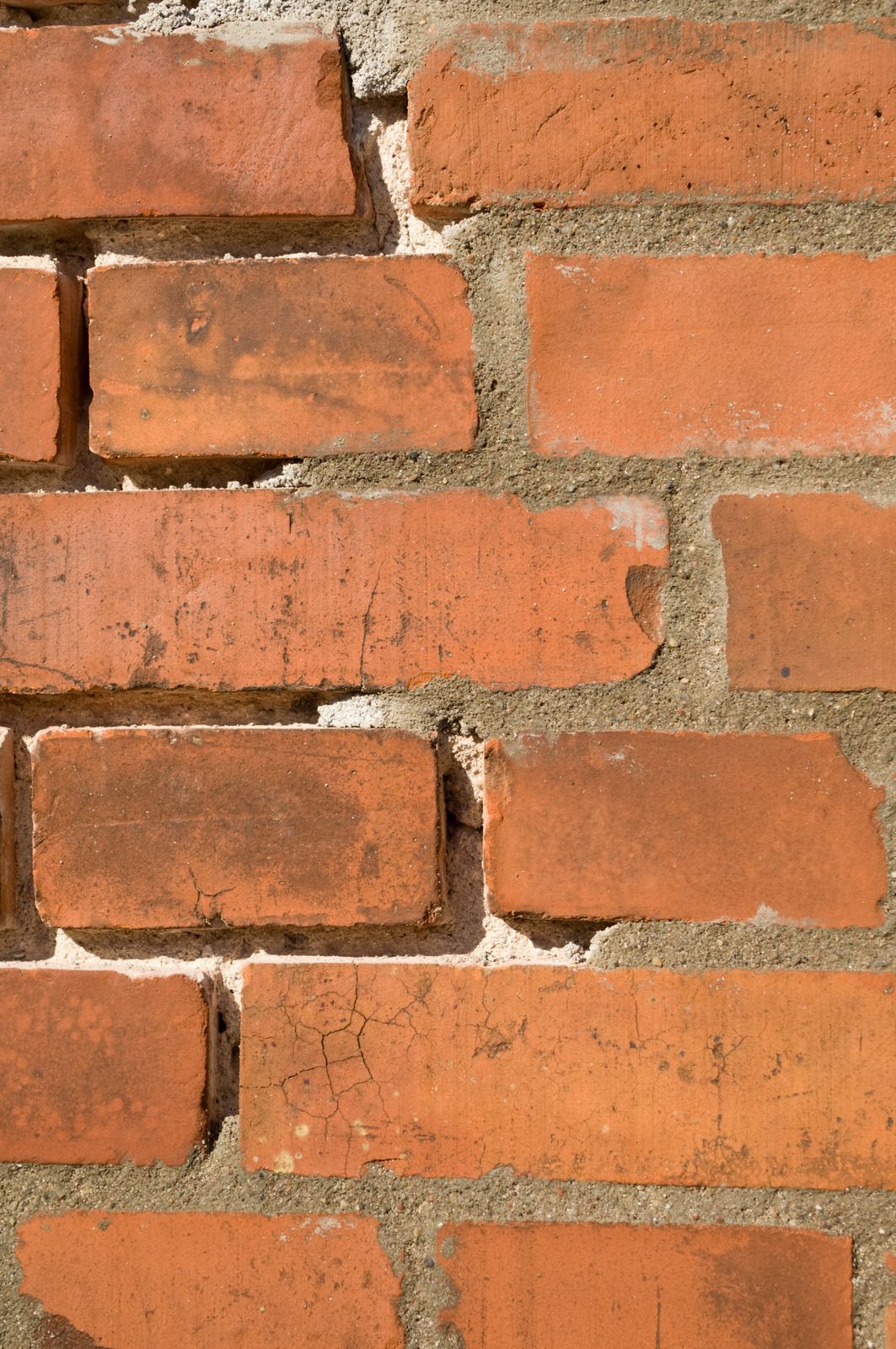
Damaged historic brick is replaced with salvaged units or carefully selected new brick that matches size, color, and surface texture, so repairs blend into the original facade instead of standing out.

GENTLE CLEANING
Historic Masonry Cleaning
Dirt, paint drips, and biological growth are removed with the gentlest effective methods, such as low-pressure water and mild cleaners. Abrasive blasting is avoided because it permanently damages historic surfaces.
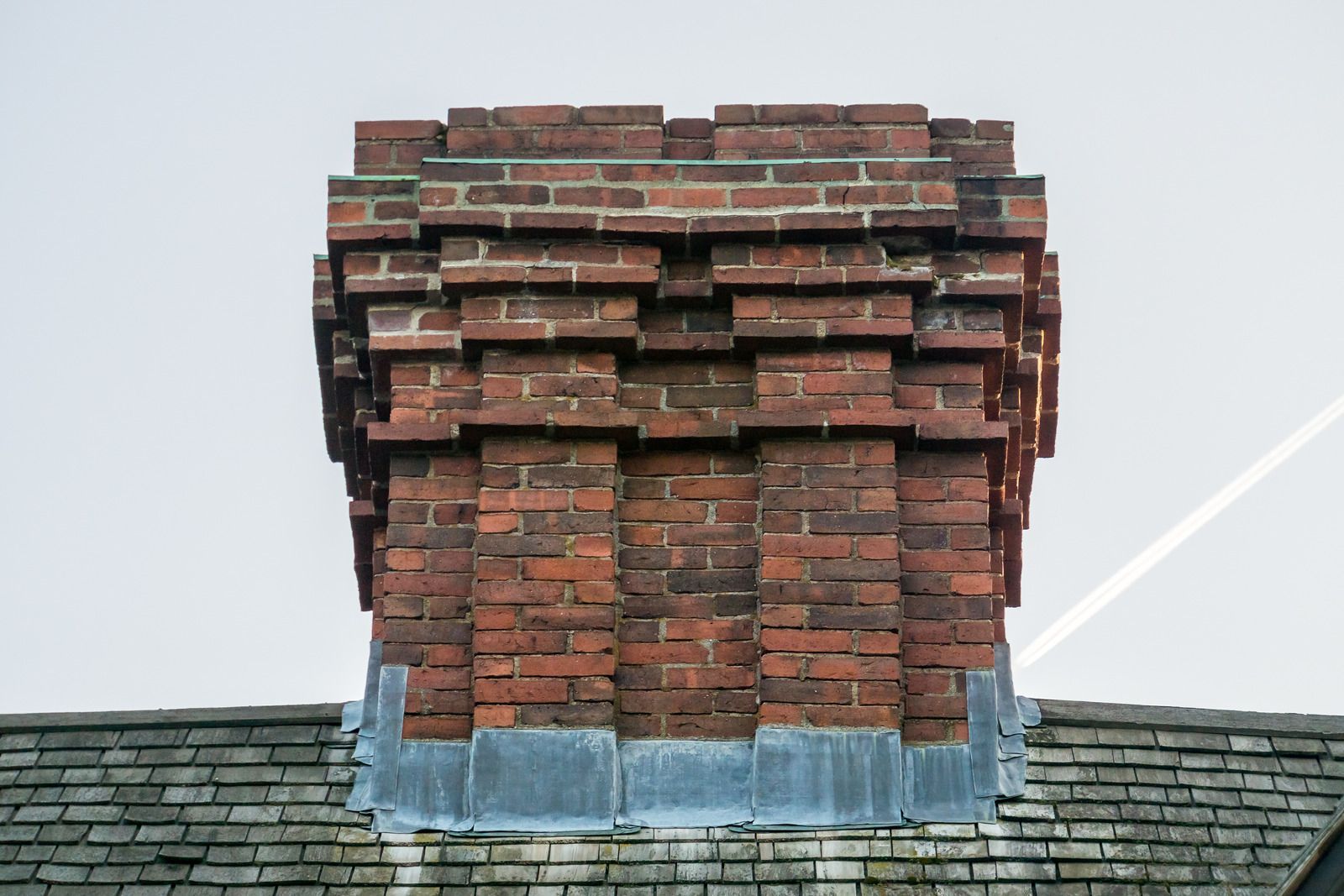
CHIMNEY HERITAGE
Historic Chimney Restoration
Older chimneys often need repointing, crown repair, and partial rebuilding. We restore them with compatible materials and profiles so they remain functional features and continue contributing to the home's historic appearance.
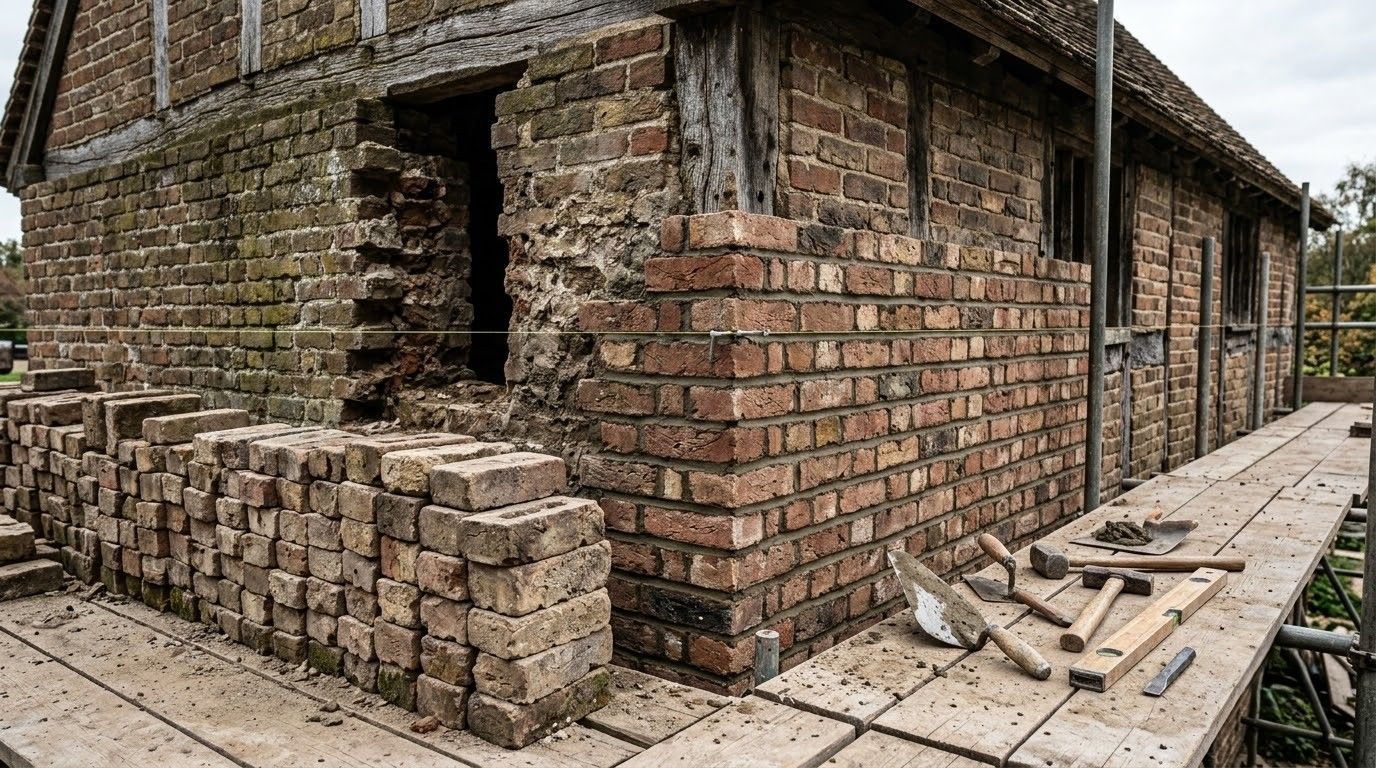
FAITHFUL REBUILDS
Period-Correct Rebuilds
When sections are too deteriorated to repair, we carefully dismantle and rebuild them using original or matched materials, reproducing bond patterns, joint details, and dimensions from the surrounding historic work.
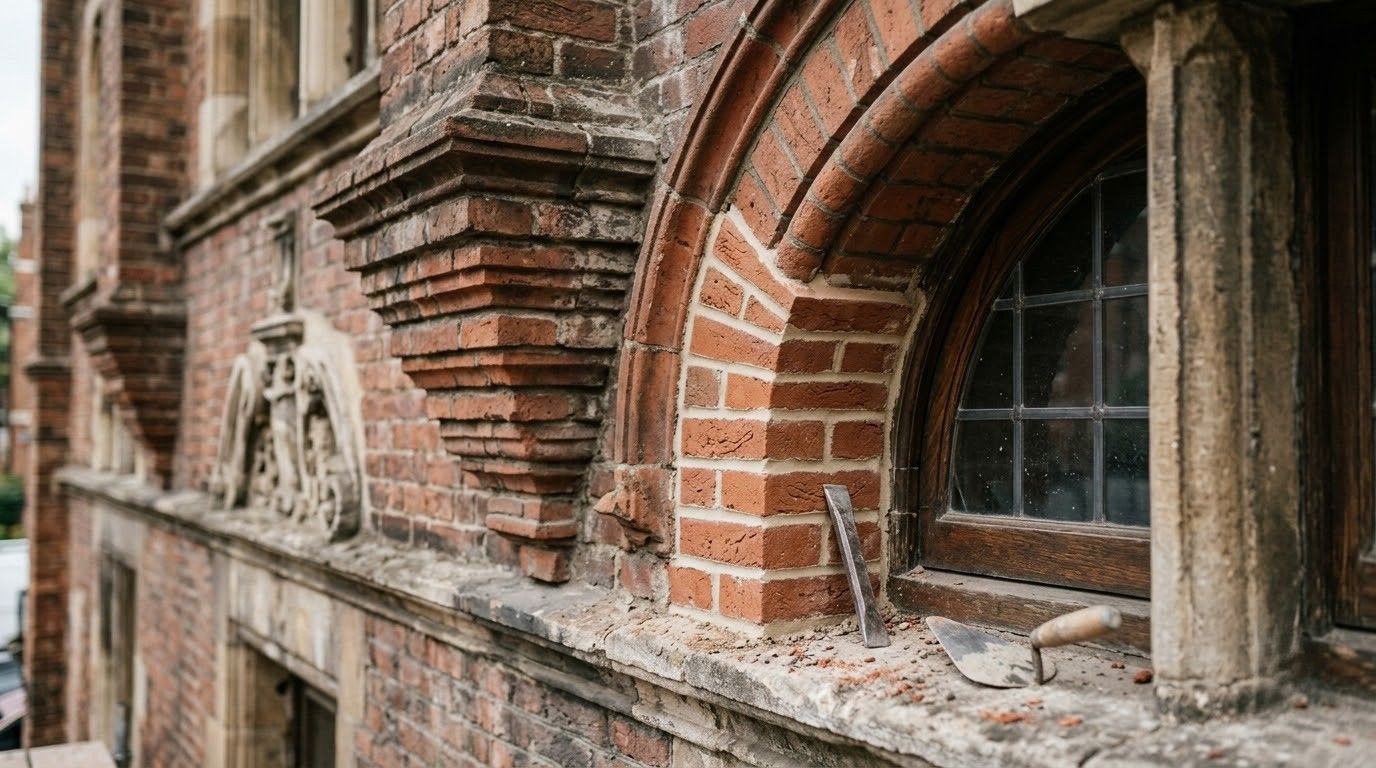
DETAIL WORK
Architectural Detail Repair
Corbels, arches, sills, and decorative courses all receive focused, careful attention. We repair or recreate these elements so the craftsmanship that defined the original building remains visible and structurally secure.
THE WORD ON OUR WORK
WHAT OUR CLIENTS SAY.
Owners of older properties often mention how carefully we treated their original brick and how closely the repairs match the surrounding walls. Several also appreciate the documentation we provided, which helped them understand the work and share details with neighbors and reviewers.
FAQs
FREQUENTLY ASKED QUESTIONS.
Historic masonry repair follows different rules than modern work. These answers explain common concerns owners have about mortar, cleaning, and preservation before restoring an older home or building.
Why should historic brick use lime mortar?
Many historic bricks are softer than modern units, and lime mortar stays softer and more breathable than cement mixes. It lets moisture escape through joints instead of the brick, so the mortar wears sacrificially while the original brick is preserved.
Can modern cement mortar damage old brick?
Yes. Hard cement mortar does not flex or breathe like historic mortar, so moisture and expansion stress move into the softer brick. Over time, that causes cracked faces, heavy spalling, and permanent loss of original material that cannot be replaced.
How is historic mortar color matched?
Matching starts by examining a clean, broken sample of the original mortar to identify binder, sand color, and texture. Test mixes are cured and compared beside the wall, since mortar lightens as it dries, before the final mix is approved.
Is sandblasting safe for historic brick?
No. Sandblasting strips the hard outer surface of historic brick, exposing the softer interior to rapid weathering and moisture damage. Gentler methods like low-pressure water, soft natural brushes, and appropriate cleaners remove dirt safely without destroying the protective outer face.
Does a historic property need approval before masonry repairs?
Properties listed on the Tempe Historic Property Register generally need design review for exterior changes. Durango Masonry & Tile helps owners in Tempe, AZ, prepare documentation and material details, though owners should always confirm current requirements directly with the city first.
Can damaged historic brick be replaced?
Yes, though careful matching really matters. Salvaged brick from the same era often provides the best color and texture match. When salvage is unavailable, carefully selected new brick can work, provided its size, hardness, and appearance suit the original wall.
Should historic masonry be sealed or painted?
Generally, no. Many sealers and paints trap moisture inside historic masonry, which leads to spalling and deterioration. If a surface was historically painted from the start, breathable mineral coatings are usually safer than modern film-forming paints that seal the wall.
What experience matters most for historic masonry work?
Look for familiarity with lime mortars, gentle cleaning methods, and recognized preservation standards for older buildings. Durango Masonry & Tile applies those methods to older properties in Tempe, AZ, repairing only what needs attention while keeping original materials and character intact.
HOW WE WORK
FROM CAREFUL STUDY TO FAITHFUL REPAIR, HERE IS HOW.
STEP 01
We Document Conditions
Our first step is careful, unhurried observation of the building. We photograph the masonry, note original materials, joint profiles, and past repairs, and record deterioration patterns that help explain what the building needs now.
STEP 02
We Analyze the Materials
Mortar samples are closely examined for binder, sand, and color, while brick hardness and texture are assessed. This analysis guides the repair mix and replacement units so everything works with the original construction.
STEP 03
We Prepare a Preservation Plan
You receive a clear, detailed written plan describing repairs, materials, and methods. For designated properties, this documentation can support design review submissions and help everyone understand how the historic fabric will be protected.
STEP 04
We Remove Deteriorated Mortar by Hand
Failing joints are cleared carefully and slowly with hand tools to avoid chipping historic brick edges. Only deteriorated material is removed, leaving sound original mortar in place wherever it still performs its job.
STEP 05
We Repair With Compatible Materials
Lime mortar and matched units go in with close attention to the original joint profile and texture. Fresh repairs are protected from sun and wind so the softer mortar cures slowly and bonds properly.
STEP 06
We Review and Record the Results
Completed repairs are cleaned gently and photographed thoroughly for your records and any future reviews. We walk the property with you, explain ongoing care, and note any areas worth monitoring during future seasons.