Concrete Repair
CONCRETE REPAIR IN TEMPE, AZ
Concrete shrinks as it dries, and a typical mix loses roughly 1/16 inch of length over every 10 feet of slab, which is why nearly every driveway and patio eventually shows some cracking. Durango Masonry & Tile handles concrete repair in Tempe, AZ, by separating harmless shrinkage cracks from damage caused by settling, drainage, or overloading. This page covers the crack repair, spall and surface repair, resurfacing, joint sealing, driveway and sidewalk repair, and section replacement we provide for residential and commercial properties in Tempe, Mesa, Chandler, and Phoenix. We assess the slab, choose repair materials suited to the cause, and blend patches into the surrounding surface.
A PATCH ONLY LASTS IF THE CAUSE IS FIXED.
Filling a crack takes minutes, but if water keeps washing out the base or tree roots keep pushing upward, the crack returns within months. We look beneath the surface before recommending a repair, checking drainage, soil support, and joint layout. Sometimes a simple fill is enough. Other times, removing and replacing a section is the smarter long-term choice.
Either way, you get an honest explanation of what we see and why we recommend a specific repair, along with realistic expectations for how the repaired area will look.
✓ Crack causes identified
✓ Drainage and base checked
✓ Repair materials matched to damage
✓ Honest patch-or-replace advice
CONCRETE REPAIR
RESTORE CRACKED AND WORN CONCRETE AROUND TEMPE.
Driveways, sidewalks, patios, and pool decks take a beating from heat, vehicles, and irrigation. Over time, that wear shows as cracks, chipped edges, flaking surfaces, and uneven joints. Concrete repair extends the life of these slabs at a fraction of full replacement cost. We work on homes, rental properties, and commercial sites, fixing damage so surfaces look cleaner, function safely, and continue serving daily traffic without constant worry.
REPAIR METHODS SUITED TO VALLEY SOILS AND WATER.
Many concrete problems here trace back to water. Sprinklers and downspouts soften the soil beside slabs, while monsoon runoff washes out fine base material. Some Valley soils also swell and shrink with moisture changes. We factor these conditions into every repair, redirecting water where possible and choosing flexible sealants for joints that move, so the fix holds through wet and dry seasons alike.
PATCHES FAIL WHEN NOBODY ASKS WHY THE CRACK FORMED.
In 20 years of working with concrete, we have seen countless repairs that did not last because they treated symptoms instead of causes. A crack filled over a hollow base simply reopens. A resurfacing coat over moving joints soon delaminates. Asking the right questions first saves money and frustration later, and it guides every recommendation we make. Is there a cracked driveway, walkway, or patio you would like evaluated?
WHY CHOOSE US FOR CONCRETE REPAIR.
Lower Cost Than Replacement
Repairing damaged areas often costs far less than tearing out and repouring an entire slab, letting you restore function and appearance while keeping more of your budget.
Safer Walking Surfaces
Filling cracks and correcting uneven, lifted edges removes tripping hazards from driveways and sidewalks, protecting family members, visitors, and tenants from avoidable falls and injuries.
Slower Deterioration
Sealed cracks and joints keep water from reaching the base, which slows erosion and prevents small problems from growing into major structural failures that demand replacement.
Improved Curb Appeal
Resurfaced and repaired concrete looks noticeably cleaner, fresher, and more uniform, instantly making driveways and entries appear well maintained to neighbors, visitors, and prospective buyers.
Quicker Turnaround
Many repairs are completed in a day or two, with less noise, disruption, and downtime than full removal and replacement projects require on residential or commercial sites.
Longer Slab Life
Timely, well-planned repairs add years of service to existing concrete, delaying the expense and inconvenience of complete replacement while keeping surfaces functional for everyday use.
our services
OUR CONCRETE REPAIR WORK.
Our concrete repair services address surface damage, cracks, joints, and failing sections. Each repair starts with a careful assessment so the chosen method fits the actual problem and delivers durable results.
CRACK FILLING
Crack Repair
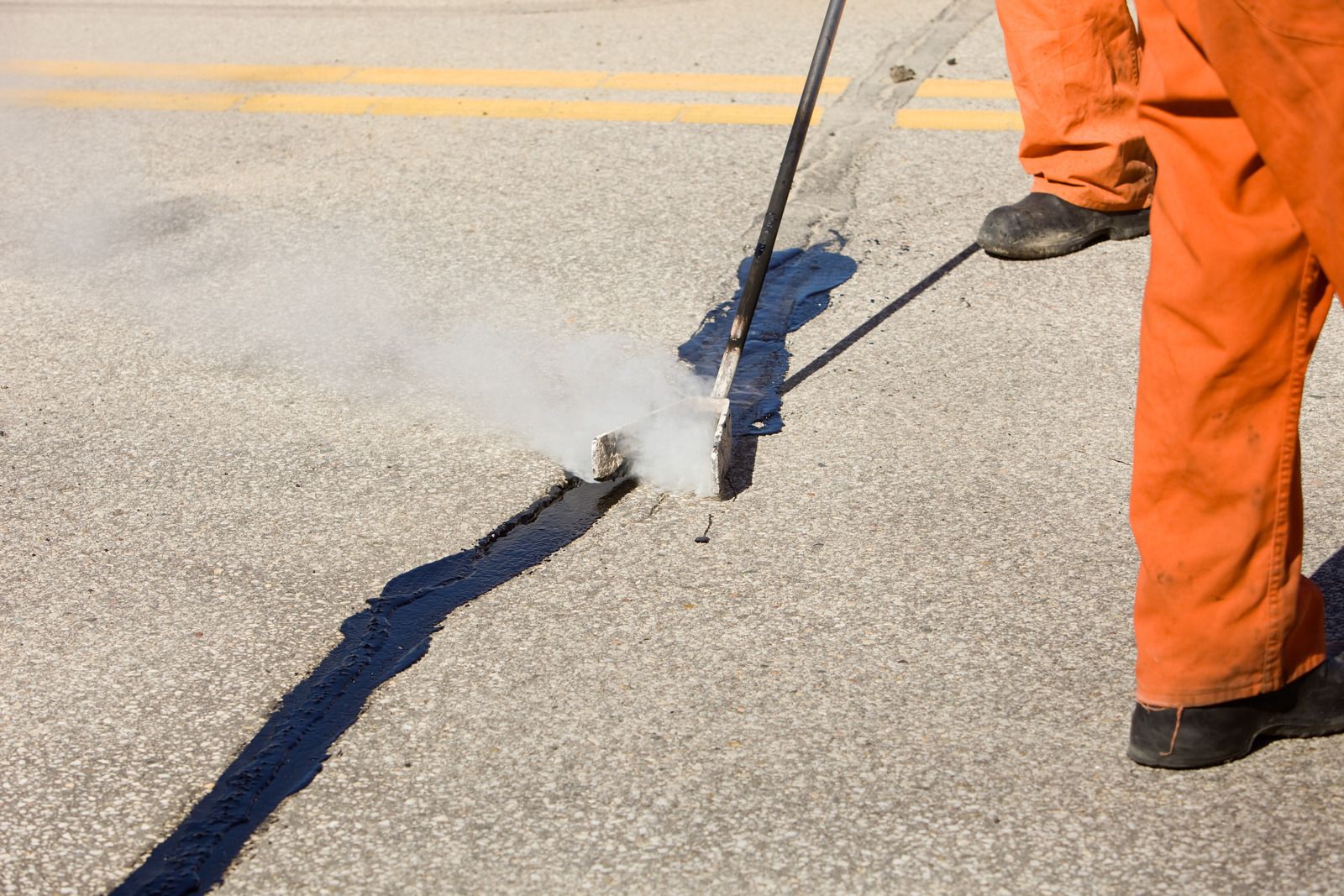
Cracks are cleaned out, evaluated for movement, and filled with materials suited to their width and activity. Stable cracks receive rigid fillers, while moving cracks get flexible sealants that stretch without breaking.

SURFACE DAMAGE
Spalling & Surface Repair
Flaking, pitted, and chipped concrete is removed down to sound material and rebuilt with bonded repair mortars. This restores a smooth, durable surface and helps prevent further scaling across the slab.
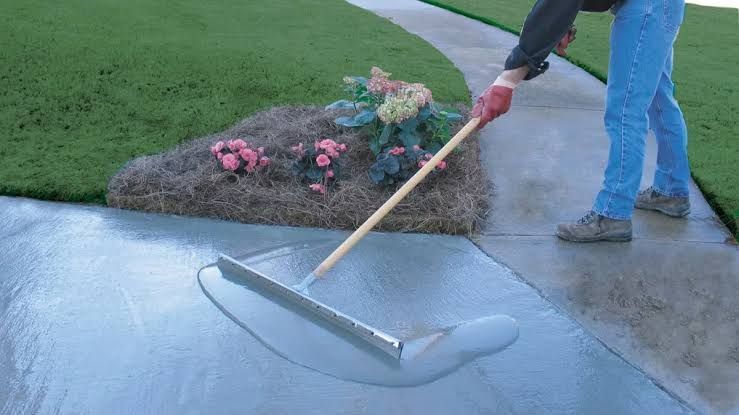
NEW TOP LAYER
Concrete Resurfacing
Worn but structurally sound slabs can receive a thin polymer-modified overlay that renews the surface. Resurfacing hides stains and minor imperfections while providing fresh texture for traction and a cleaner appearance.
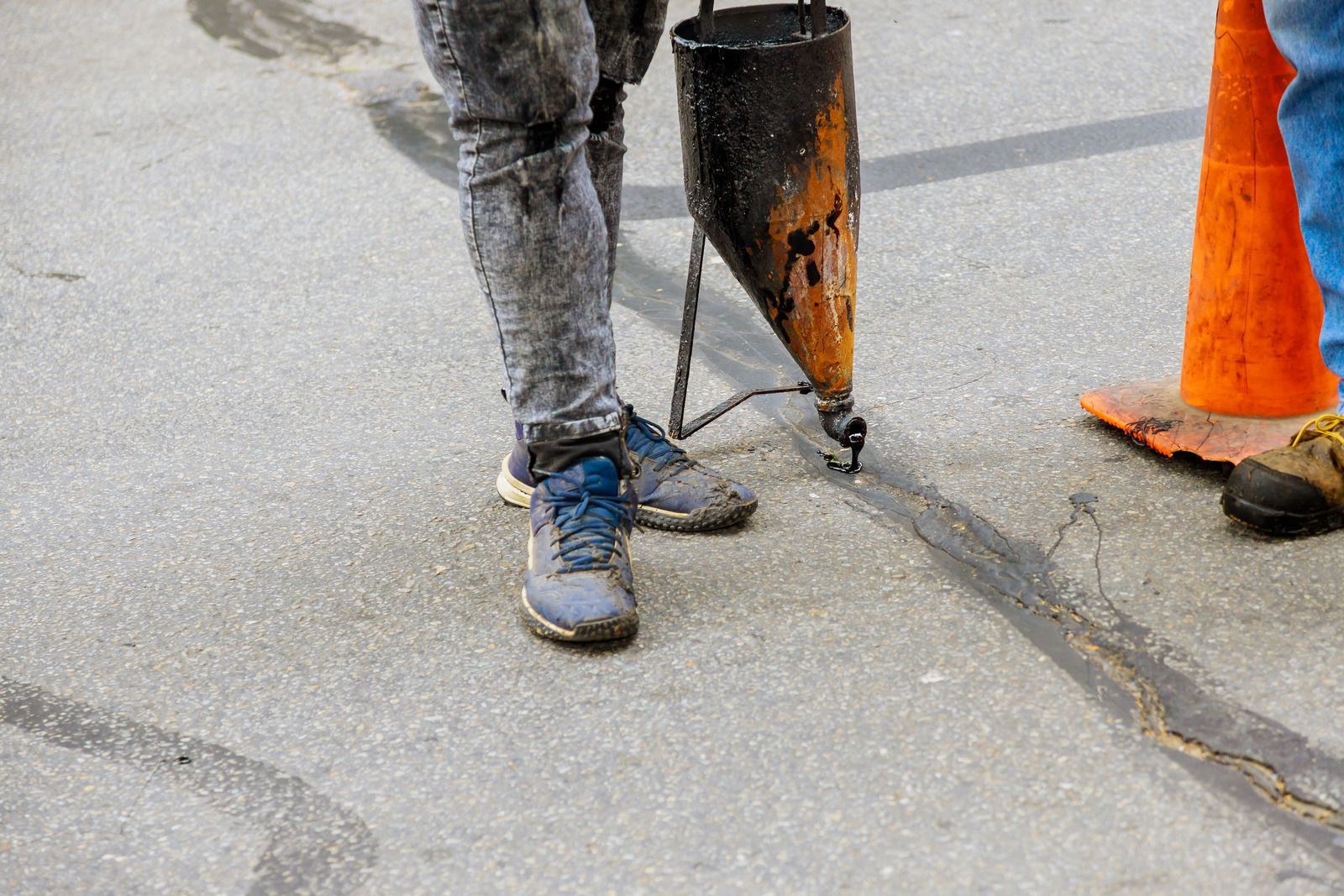
JOINT CARE
Joint Repair & Sealing
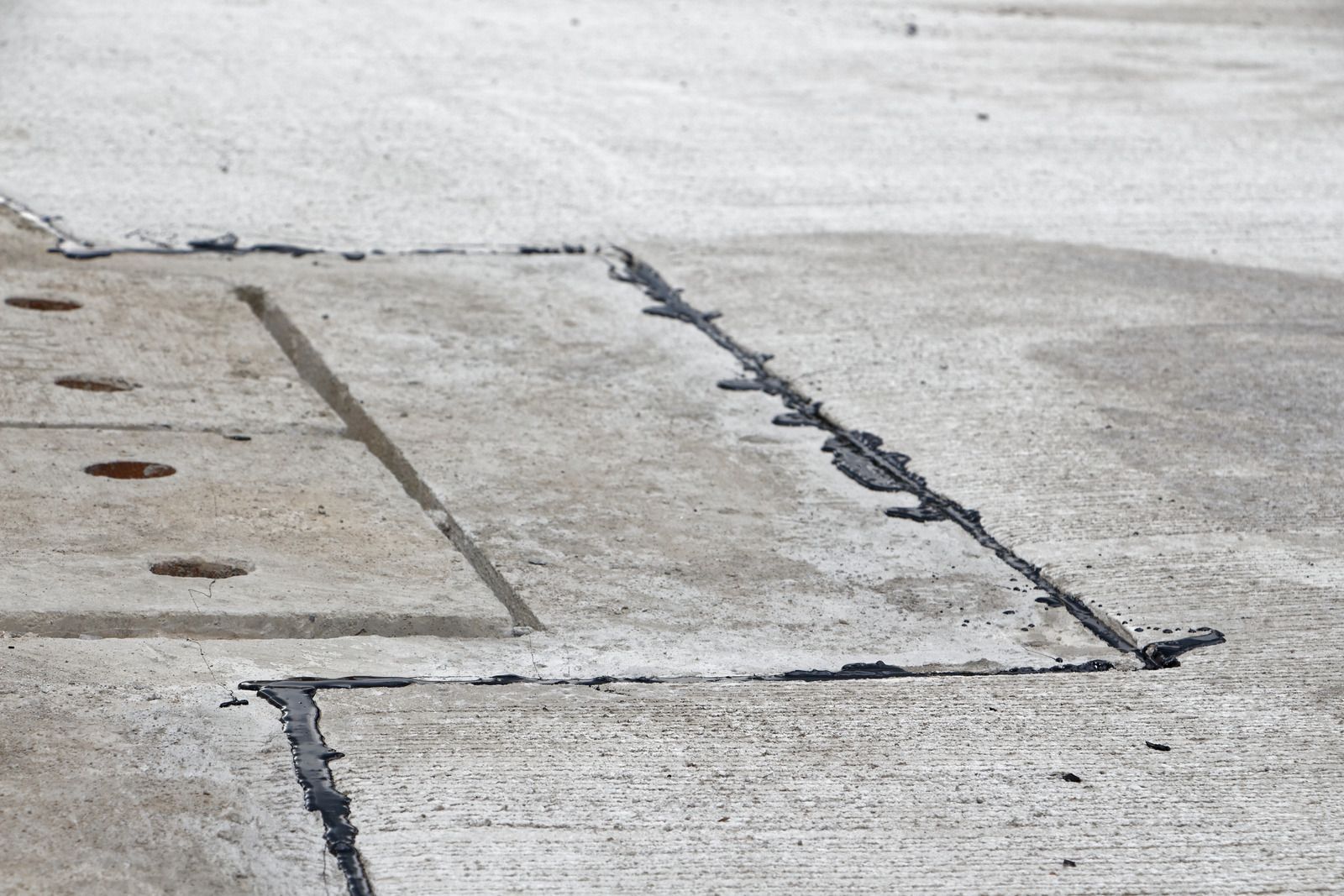
Damaged control and expansion joints are cleaned, rebuilt where edges have broken, and sealed with flexible materials. Sealed joints keep water and debris out while allowing normal slab movement throughout the year.
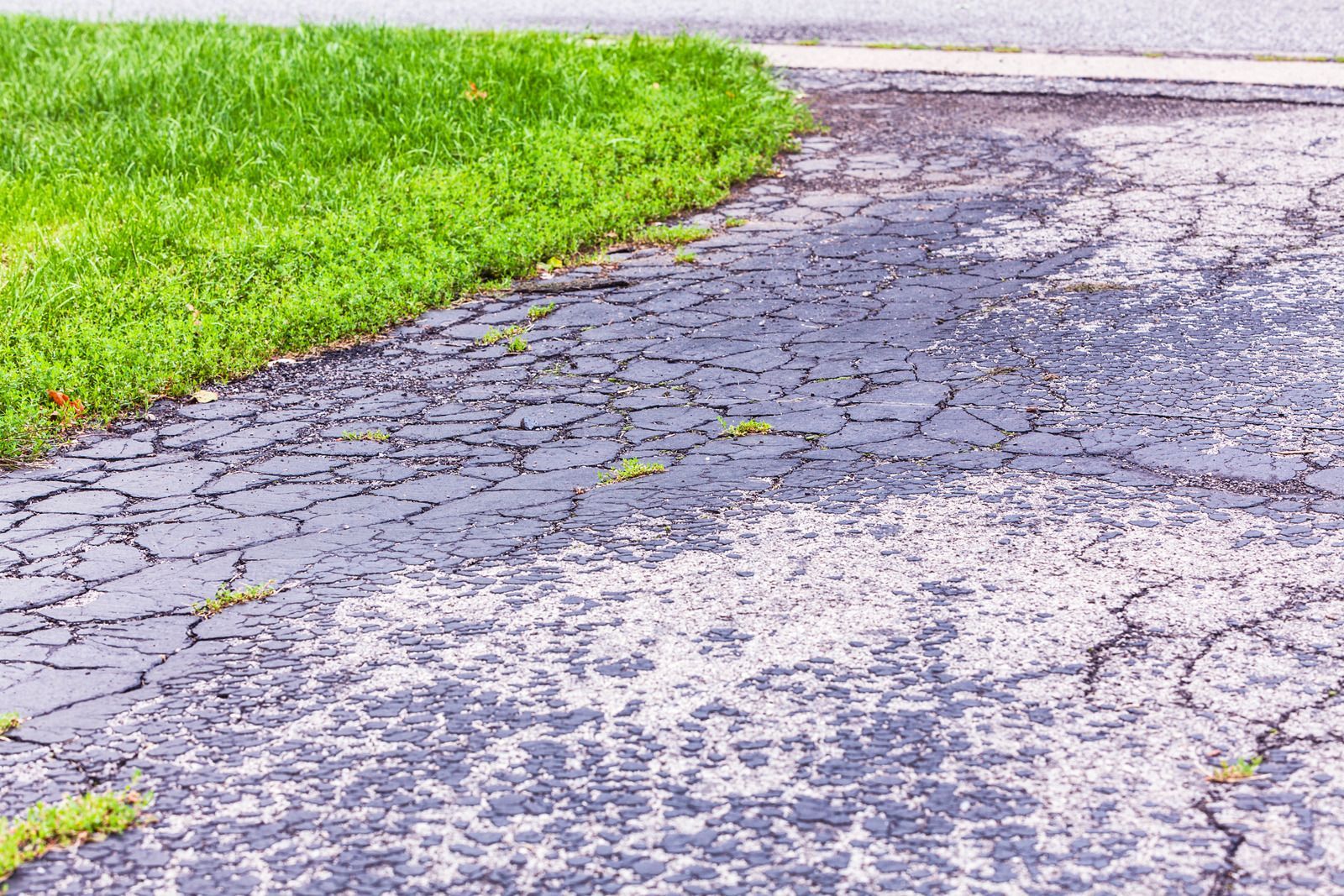
DRIVEWAY FIXES
Driveway & Sidewalk Repair
Cracked, chipped, or uneven driveway and sidewalk sections are repaired to restore safe passage for vehicles and pedestrians. We address broken edges, raised joints, and surface wear with durable, matching repairs.
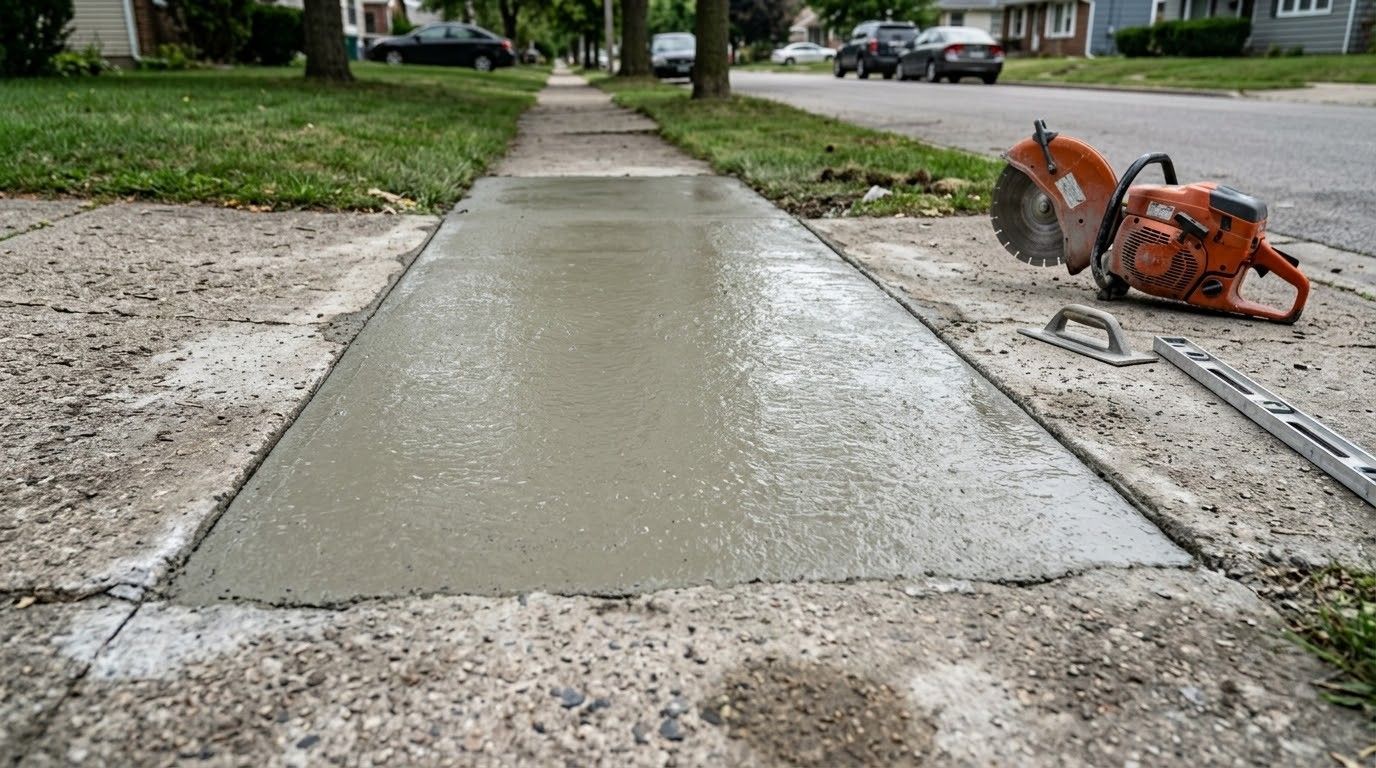
SECTION REPLACEMENT
Section Removal & Replacement
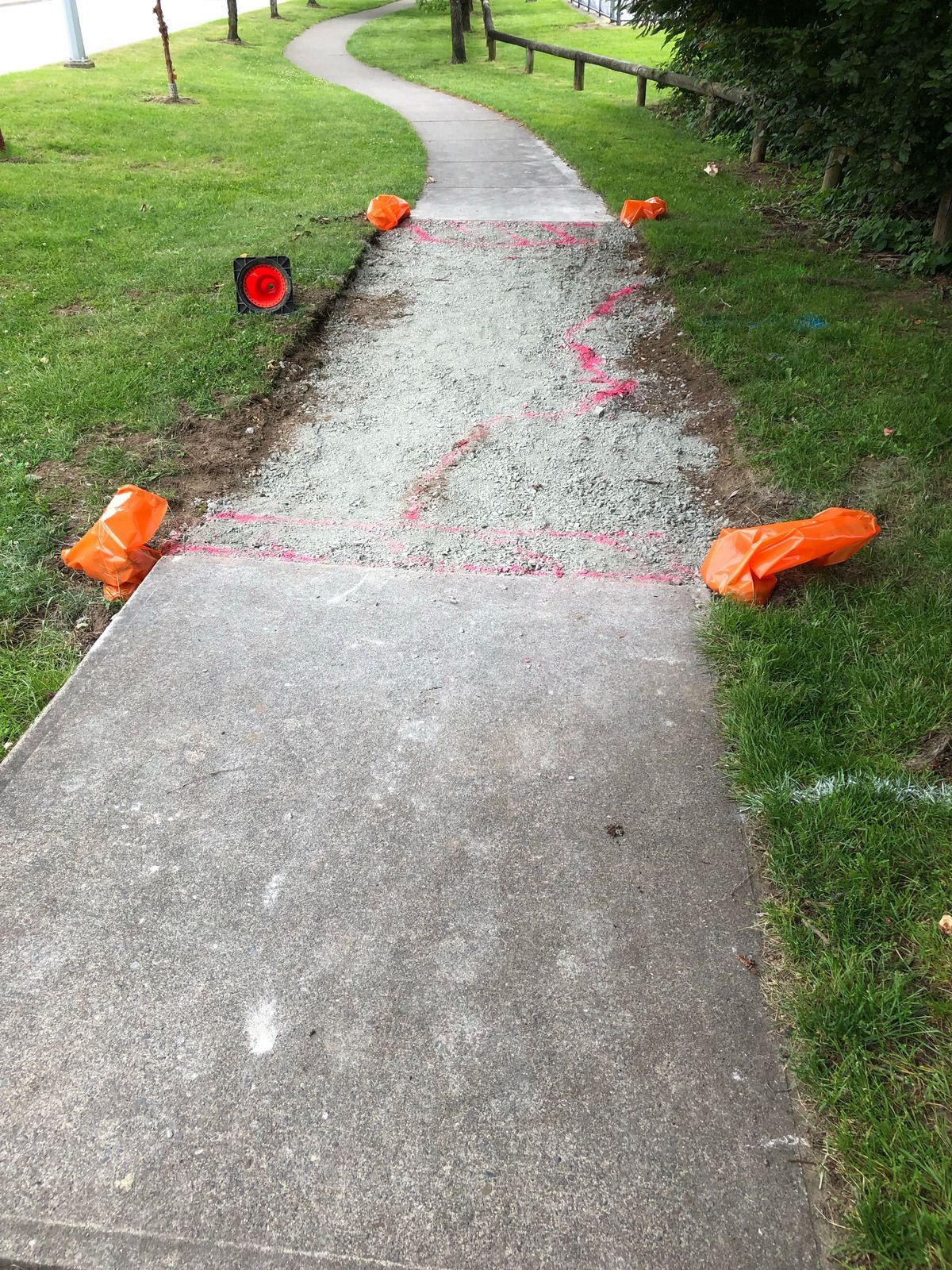
When a panel is too damaged to repair, we saw-cut and remove it, correct the base underneath, and pour a new section that ties into the surrounding slab at matching height and finish.
THE WORD ON OUR WORK
WHAT OUR CLIENTS SAY.
Concrete repair clients often mention that we explained which cracks mattered and which were simply cosmetic, which helped them spend their budget wisely. Many are also pleased with how well the repaired sections blend into the existing slab once everything has cured.
FAQs
FREQUENTLY ASKED QUESTIONS.
Cracked and worn concrete leaves property owners with many questions. These answers explain common causes of damage and the repair options available before deciding between patching and replacement.
When should concrete be repaired instead of replaced?
Repair makes sense when damage is limited to cracks, surface wear, or isolated sections and the base is stable. Replacement becomes the better option when large areas have sunk, heaved, or crumbled, or when repairs would cover most of it.
Are hairline cracks in concrete a problem?
Hairline cracks are common and usually result from normal drying shrinkage. They are often cosmetic, but sealing them helps keep water out. Cracks that widen, shift vertically, or keep growing deserve a closer look because they may signal base problems.
What causes concrete to flake or spall?
Spalling can result from overworking the surface during finishing, too much water in the original mix, deicing chemicals, or rusting reinforcement close to the surface. Durango Masonry & Tile evaluates spalled slabs in Tempe, AZ, to choose the right repair approach.
Can a repaired crack be made invisible?
Most crack repairs remain somewhat visible because fillers and new material cure to slightly different colors than aged concrete. Careful color selection and texturing reduce the contrast, and resurfacing can create a more uniform appearance when a uniform look matters.
How long does concrete resurfacing last?
A properly applied resurfacing overlay can last many years when the underlying slab is sound and joints are respected. Heavy vehicle traffic, poor preparation, and ongoing slab movement shorten that lifespan, so surface preparation and joint planning are critical steps.
Why do concrete joints need sealing?
Open joints let water, dirt, and weed seeds reach the base beneath the slab. Over time, that water erodes support and causes uneven settling. Flexible joint sealants block intrusion while still letting concrete panels expand and contract with temperature changes.
How soon can I use repaired concrete?
Light foot traffic is often fine within a few hours to a day, depending on the specific product used. Vehicle traffic may need several days, and full-depth section replacements need about a week before cars and longer before heavy loads.
How do I choose the right concrete repair contractor?
Choose a contractor who explains causes, not just quick fixes. Durango Masonry & Tile assesses drainage and base conditions on concrete repairs throughout Tempe, AZ, so each repair addresses the underlying issue and holds up to daily traffic for many years.
HOW WE WORK
FROM FIRST CRACK TO SOLID SURFACE, HERE IS HOW.
STEP 01
We Evaluate the Slab
We examine cracks, joints, surface wear, and edges, noting movement, drainage patterns, and nearby trees or sprinklers. This assessment tells us whether the problem is cosmetic, structural, or somewhere in between for your slab.
STEP 02
We Recommend a Repair
You receive a clear repair plan with options where appropriate, including crack filling, resurfacing, joint sealing, or section replacement. We explain what each option will look like and how long it should last.
STEP 03
We Prep the Damaged Areas
Cracks are routed and thoroughly cleaned, loose material is removed, and surfaces are pressure cleaned for bonding. For section replacements, we saw-cut clean edges and remove broken concrete along with any failed base.
STEP 04
We Correct the Cause
Where drainage, soil, or base problems contributed to the original damage, we address them before applying repair materials. That might mean compacting new base, adjusting slopes, or recommending sprinkler changes near the slab.
STEP 05
We Apply the Repair
Fillers, bonded mortars, overlays, or new concrete are placed and finished to match the surrounding texture. Joints are sealed with flexible materials, and fresh repairs are protected while they cure to full strength.
STEP 06
We Clean Up and Advise
Debris and old concrete are hauled away, and the work area is left tidy. We explain curing times, when the surface can be used again, and simple habits that help prevent similar damage later.