Chimneys
CHIMNEYS IN TEMPE, AZ
Masonry chimneys must rise at least 3 feet above the point where they pass through the roof and stand 2 feet higher than any part of the building within 10 feet, a rule designed to keep sparks and smoke clear of the structure. Durango Masonry & Tile builds and repairs chimneys in Tempe, AZ, with that clearance and the rest of the masonry details checked on every job. This page covers the chimney repair, rebuilds, crown work, tuckpointing, cap installation, and outdoor fireplace chimneys we handle for homes and businesses around Tempe, Scottsdale, Phoenix, and Mesa. We inspect from the roof down and repair with materials rated for heat and weather.
A CHIMNEY FAILS SLOWLY, THEN ALL AT ONCE.
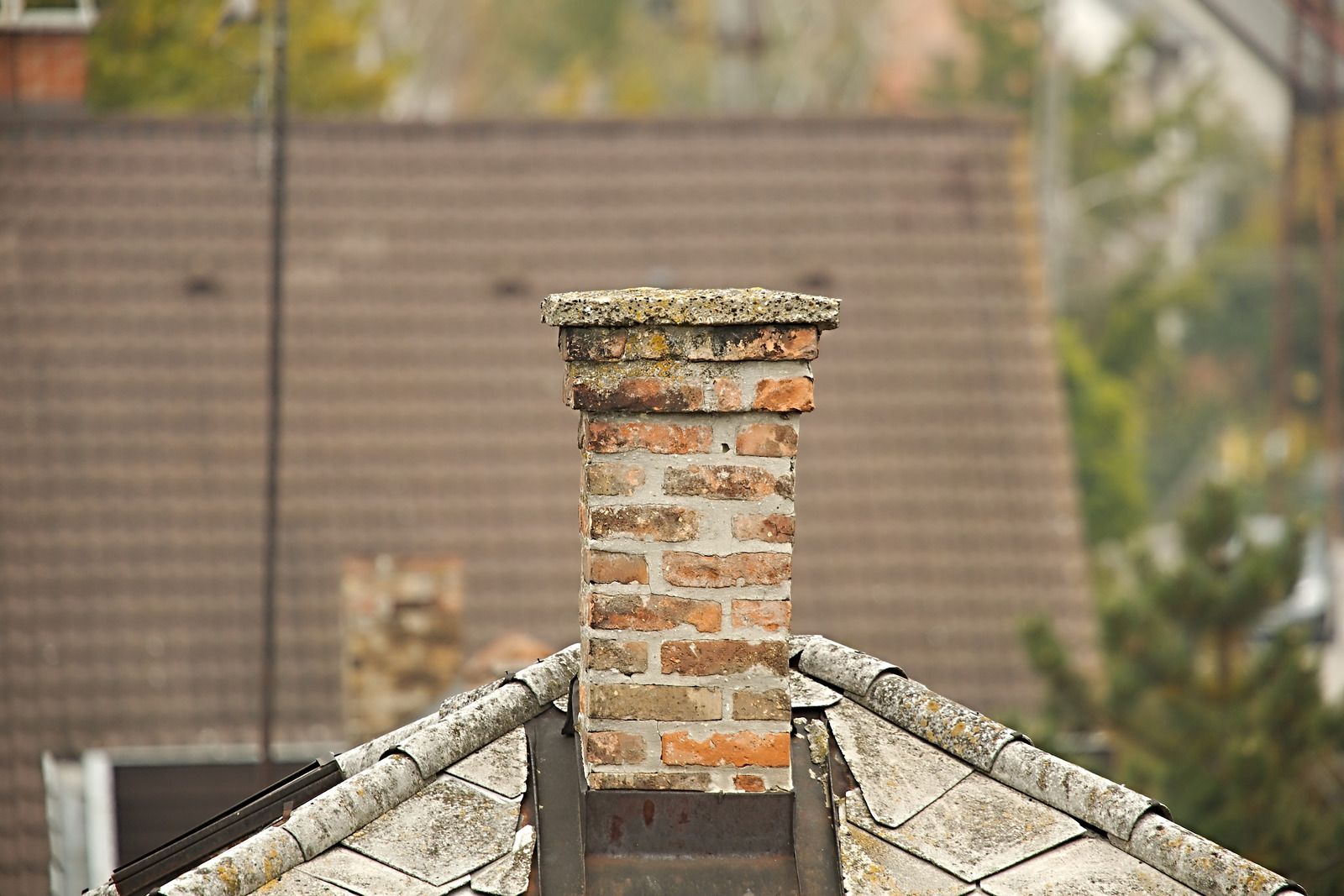
Chimneys stand exposed above the roofline, taking the full force of sun, wind, and rain year after year. Small cracks in the crown or joints let water enter, which loosens brick and rusts dampers from the inside. Because most homeowners rarely look up, damage often goes unnoticed until bricks fall or leaks appear on interior ceilings.
Catching problems early costs far less than waiting for a collapse. Regular inspections, sound crowns, and tight joints keep a chimney standing straight and protect the roof and rooms around it.
✓ Crowns checked for cracks
✓ Mortar joints kept tight
✓ Roof clearances confirmed
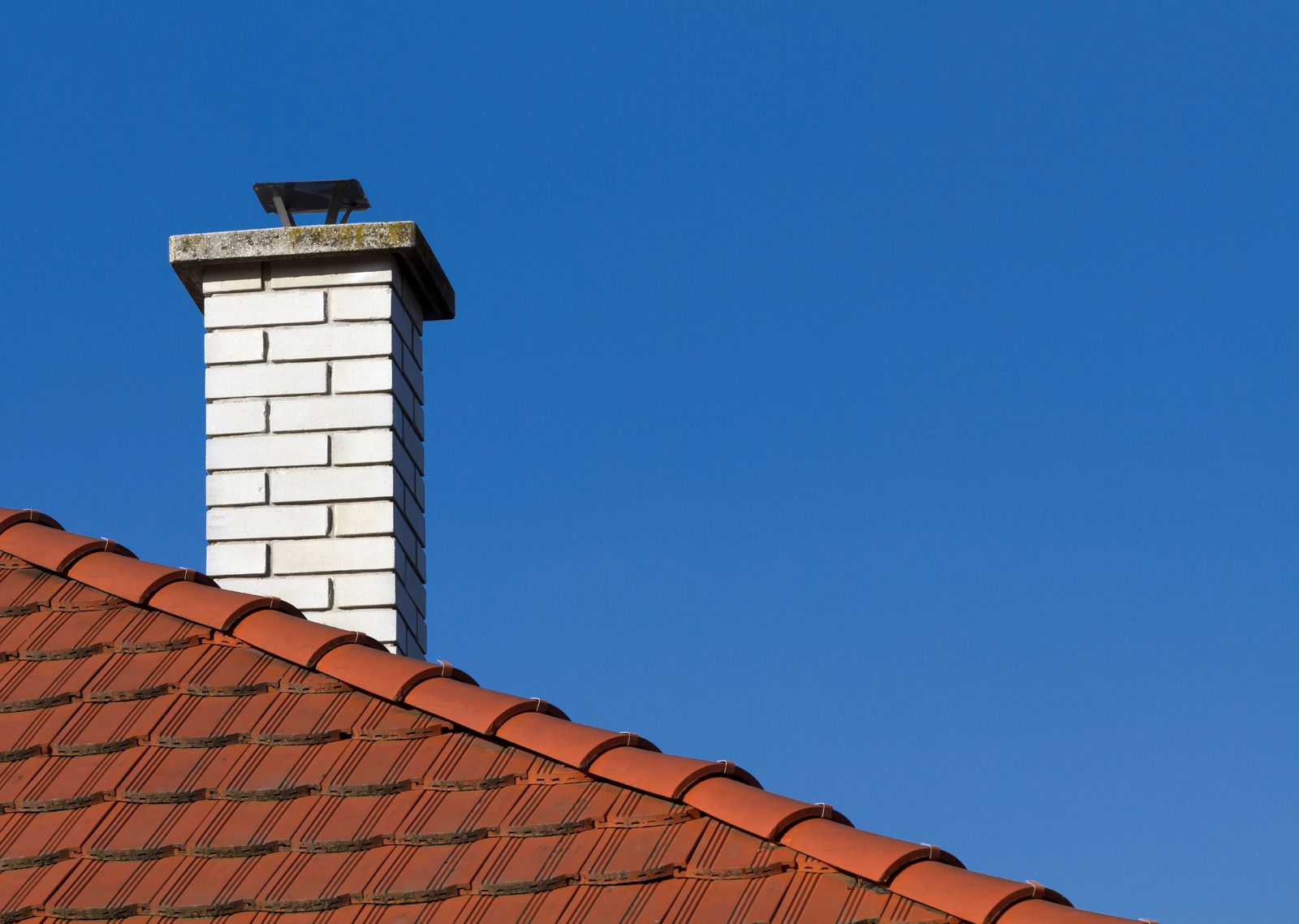
✓ Caps keep rain and debris out
CHIMNEYS
CHIMNEY CARE FOR TEMPE HOMES WITH A HEARTH.
Fireplaces may see fewer fires in the desert than in colder places, but the chimneys above them still face constant weathering. Many Tempe homes have masonry chimneys that have gone years without maintenance. We repair, rebuild, and protect these structures so they stay safe for the cool winter evenings when a fire feels right, and so they remain an attractive, sturdy feature of the home's roofline.
CHIMNEY REPAIRS BUILT FOR INTENSE SUN AND SUDDEN STORMS.
Desert conditions wear chimneys differently than wetter climates do. Strong sun breaks down sealants and bakes crowns until they crack, while monsoon downpours drive water into any opening. Birds and debris also find their way into uncapped flues. We use crown materials designed to resist cracking, install caps with screens, and seal flashing so the chimney handles both dry heat and sudden storms.
A CHIMNEY CROWN IS WHERE WE LOOK FIRST.
Our 20 years in masonry have taught us that most chimney trouble starts at the top. A cracked or thin mortar crown lets water soak into the brick below, and the damage spreads downward from there. That is why every chimney assessment begins with the crown and cap before we move to joints, flashing, and the firebox. Wondering what condition the chimney on your roof is in today?
WHY CHOOSE US FOR CHIMNEYS.
Safer Fireplace Use
A structurally sound chimney contains heat, sparks, and smoke properly, reducing fire risk and helping your family enjoy the fireplace with confidence on cool evenings.
Leak Prevention
Tight joints, solid crowns, and sealed flashing keep rainwater from entering the chimney and reaching your attic, ceilings, and walls, preventing stains and costly interior repairs.
Protected Roofing
A stable chimney does not shed loose brick onto shingles or tiles, and proper flashing keeps the roof around it watertight during intense monsoon downpours.
Pest and Debris Control
Caps with mesh screens keep birds, rodents, and blowing leaves out of the flue, reducing blockages and unpleasant surprises when you finally light the first fire of winter.
Restored Appearance
Repointed joints, replaced brick, and a clean crown make an aging chimney look sharp again, improving your home's roofline and overall curb appeal from the street.
Longer Chimney Life
Addressing small cracks and worn mortar early prevents deeper deterioration, extending the service life of your chimney and delaying the need for a full rebuild.
our services
OUR CHIMNEYS WORK.
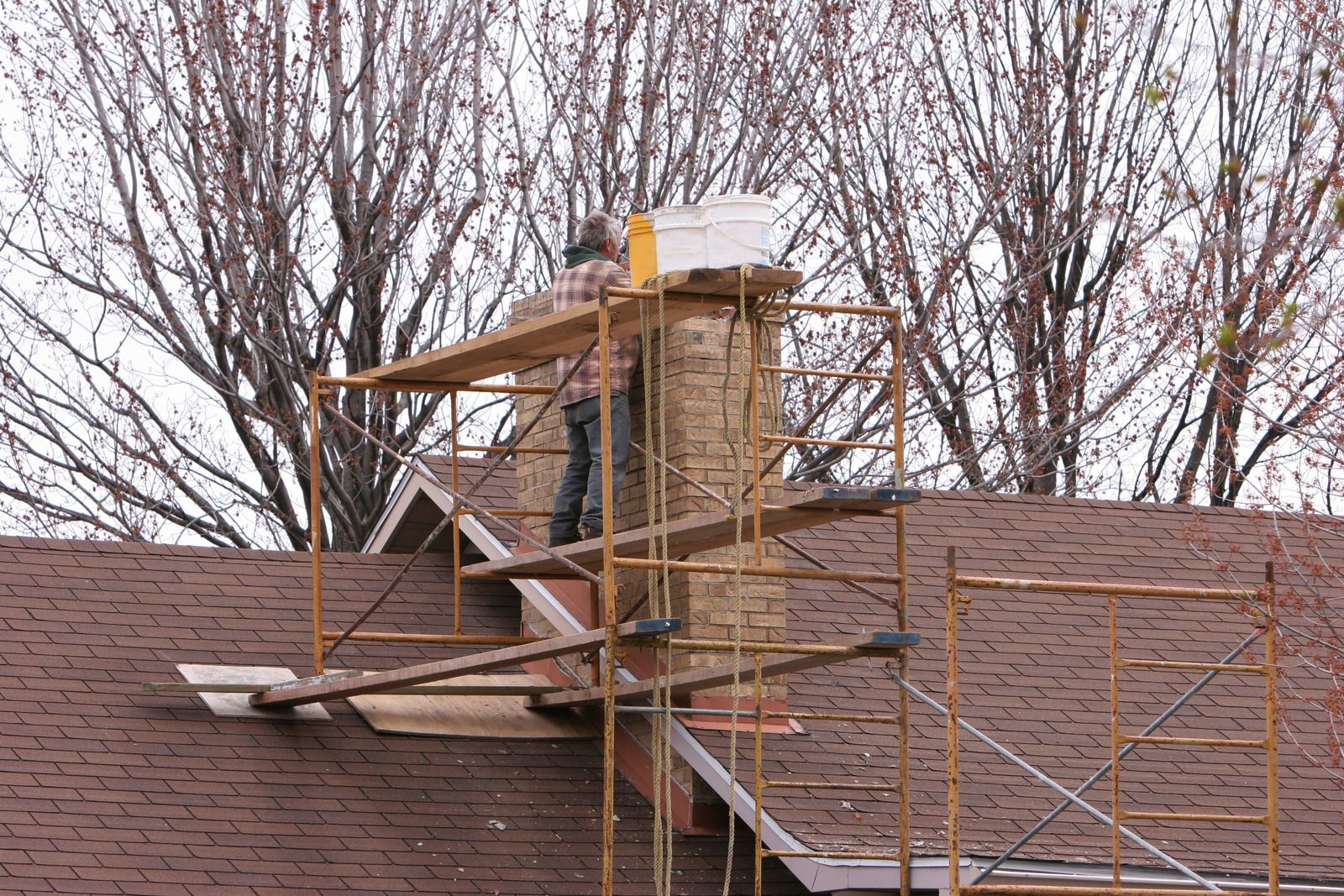
Our chimney services cover everything from minor joint repair to complete rebuilding above the roofline. Each project starts with a close inspection and ends with a structure that is sound, sealed, and ready for use.
MASONRY FIXES
Chimney Repair
Cracked brick, loose mortar, and deteriorated sections are repaired with matched materials. We address the source of damage, whether water, settling, or heat, so the chimney remains stable and weather resistant.
FULL REBUILDS
Chimney Rebuilds
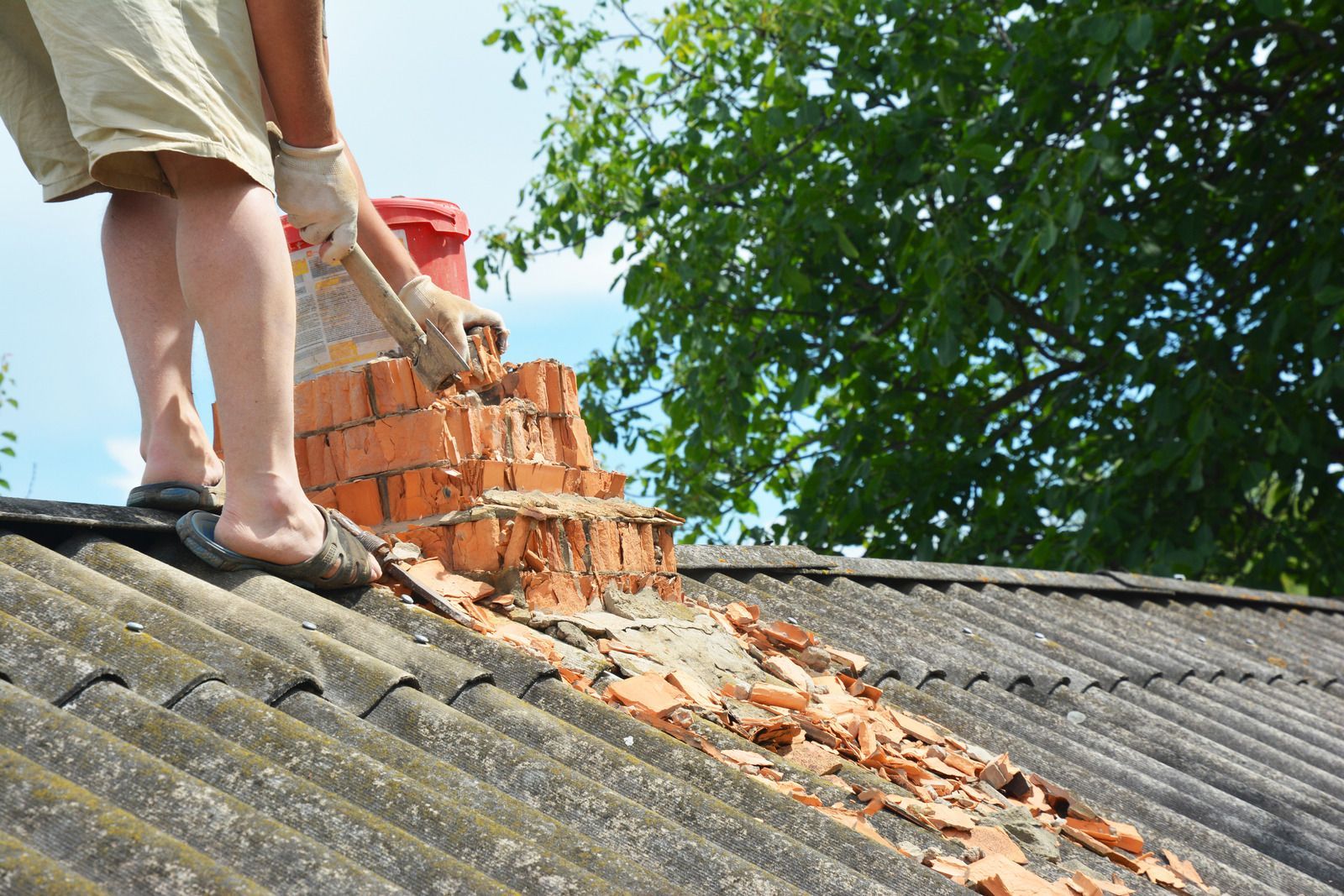
When a chimney leans or has deteriorated beyond repair, we dismantle it to sound masonry and rebuild with new brick or block, restoring proper height, roof clearances, and a clean finished appearance.
CROWN WORK
Crown Repair & Replacement
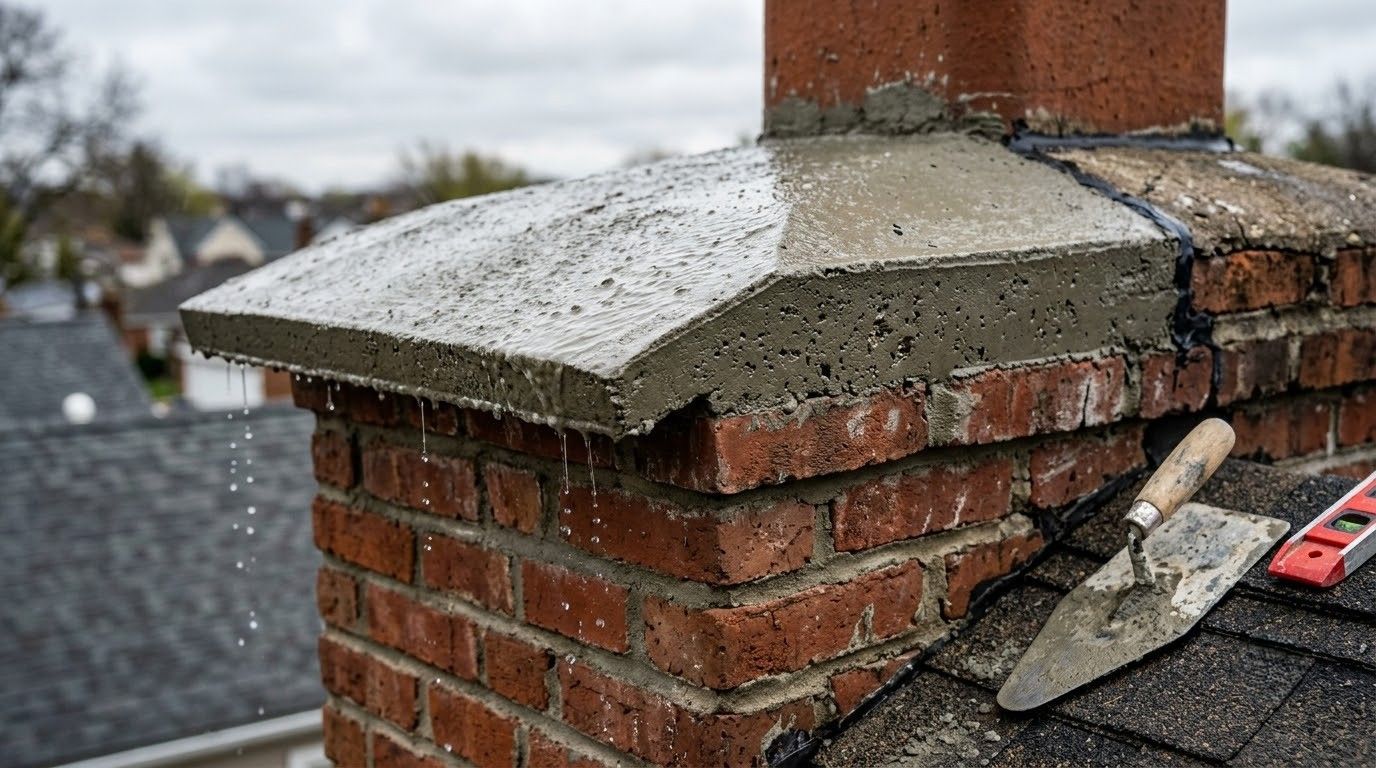
The crown sheds water from the top of the chimney. We seal minor cracks or replace failing crowns with properly sloped, overhanging concrete crowns that direct rain away from the brick below.
JOINT RENEWAL
Chimney Tuckpointing
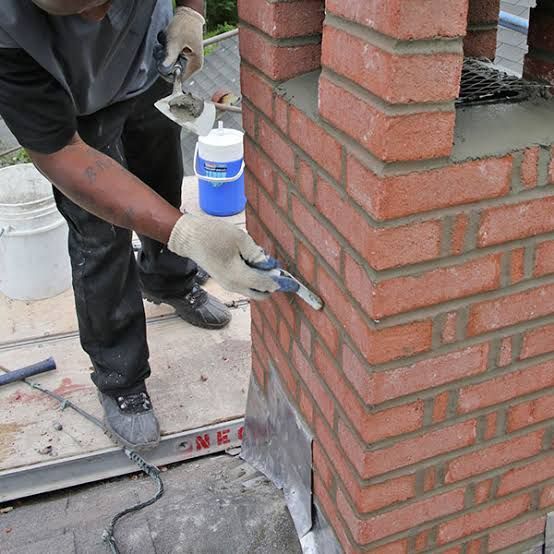
Weathered mortar joints are raked out and refilled with fresh mortar matched in color and strength. Tuckpointing restores the chimney's weather resistance and helps prevent loose brick from developing further.

TOP PROTECTION
Chimney Cap Installation
Durable metal caps with mesh screens keep rain, animals, and debris out of the flue while allowing smoke to escape freely. We size caps to fit each flue and secure them firmly against wind.
OUTDOOR HEARTHS
Outdoor Fireplace Chimneys
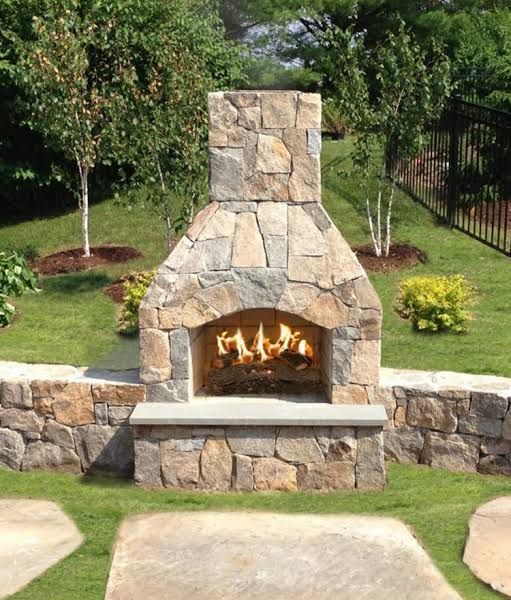
Backyard fireplaces need chimneys that draft well and suit the patio design. We build masonry chimneys for outdoor fireplaces with proper height, heat-resistant materials, and finishes that match surrounding stone or brick.
THE WORD ON OUR WORK
WHAT OUR CLIENTS SAY.
Chimney clients often say they appreciate the photos we share from the roof, since most had never seen the top of their chimney up close. Many also mention that the repaired chimney finally looks like it belongs with the rest of the house again.
FAQs
FREQUENTLY ASKED QUESTIONS.
Chimneys raise safety and maintenance questions that homeowners rarely think about until problems appear. These answers explain what to watch for and how chimney masonry stays in good condition.
How often should a chimney be inspected?
NFPA 211, the national standard for chimneys and fireplaces, recommends an annual inspection for chimneys in use. Even fireplaces used only a few times each winter benefit from yearly checks, since weather damage continues whether or not you light fires.
What does a chimney crown do?
The crown is the concrete or mortar slab covering the top of the chimney around the flue. It sheds rainwater away from the brick. A cracked or poorly sloped crown lets water soak into the masonry, causing joints to deteriorate.
What are the signs of chimney damage?
Watch for crumbling mortar, cracked or missing brick, white staining, rust on the damper, water stains near the fireplace, and small pieces of masonry in the firebox. A leaning chimney is a serious warning sign that needs prompt professional attention.
Why is my chimney leaking during storms?
Leaks typically come from a cracked crown, missing cap, failed flashing, or porous brick and mortar. Durango Masonry & Tile traces chimney leaks on homes in Tempe, AZ, from the top down, sealing the actual entry point rather than covering stains.
How tall does a chimney need to be?
Building codes generally require chimneys to extend at least 3 feet above the roof penetration and 2 feet higher than anything within 10 feet. Proper chimney height supports good draft and keeps sparks away from roofing materials and nearby structures.
Can a leaning chimney be repaired?
A leaning chimney usually needs partial or even full rebuilding, especially if the lean comes from a failing footing or deteriorated mortar. Bracing is rarely a lasting solution, so an inspection determines how much of the structure must be replaced.
Is a chimney cap really necessary?
A cap is one of the most cost-effective chimney protections. It blocks rain from entering the flue, keeps birds and rodents out, and reduces debris buildup. Caps with spark arrestor mesh also help limit embers escaping from the chimney top.
Why rely on a masonry contractor for chimney repairs?
Chimneys are masonry structures, so lasting repairs depend on correct mortar, brick matching, and crown construction. Durango Masonry & Tile brings those skills to chimney work throughout Tempe, AZ, restoring stability, weather protection, and a clean, finished appearance above the roofline.
HOW WE WORK
FROM ROOFTOP INSPECTION TO SEALED CROWN, HERE IS HOW.
STEP 01
We Inspect From the Top
Our crew safely accesses the roof to examine the cap, crown, brick, mortar, and flashing. We also look at the firebox and interior walls for signs of water intrusion, heat damage, or movement.
STEP 02
We Share What We Found
Clear photos from the roof show you the chimney's actual current condition. We explain which issues need attention now, which can wait, and how each repair option affects safety, appearance, and long-term cost.
STEP 03
We Set Up Safely
Roof protection, secured ladders, fall safety, and debris containment are put in place before work starts. Landscaping and entries below the chimney are covered so falling mortar and brick fragments do not cause damage.
STEP 04
We Restore the Masonry
Damaged brick is replaced, joints are raked and repointed, or failing sections are rebuilt to sound masonry. Every repair uses heat-appropriate and weather-resistant materials matched to the existing chimney as closely as possible.
STEP 05
We Seal the Top
A new or repaired crown is formed with proper slope and overhang, and a screened cap is installed over the flue. Flashing around the chimney base is checked and resealed to keep water out.
STEP 06
We Clean the Roof and Yard
All debris is removed from the roof, gutters, and ground below. We review the completed work with you, including photos of the top, and recommend a sensible inspection schedule for the coming years ahead.